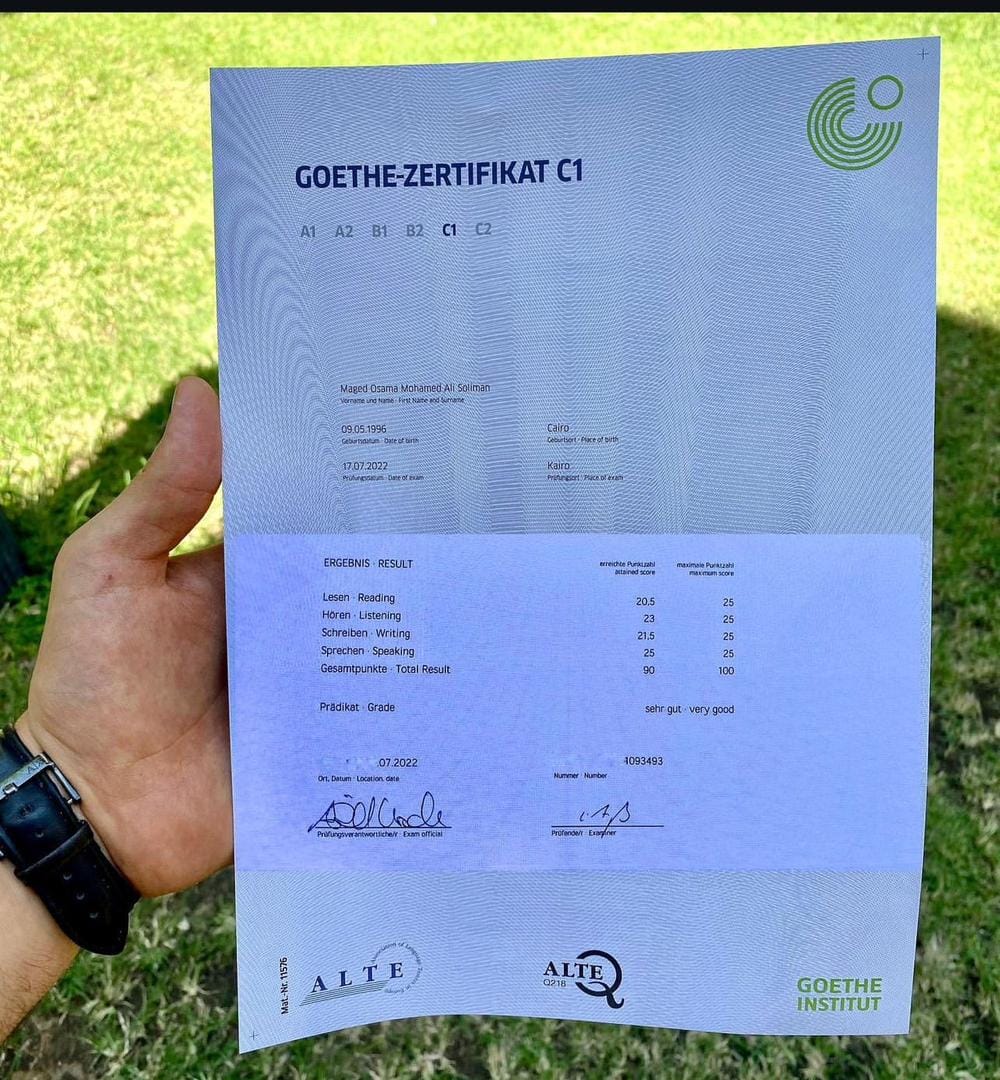
The No. #1 Question That Everyone In Buy C1 German Certificate Should Know How To Answer
The Definitive Guide to Buying a C1 German Certificate
In today's globalized world, the need for proficiency in several languages is skyrocketing. Amongst those languages, German stick out due to Germany's economic prowess and the cultural richness of German-speaking countries. Obtaining a C1 German certificate can open numerous doors, from academic opportunities to job prospects. Nevertheless, browsing the parameters of acquiring such a certificate can be challenging. In geothezertifikat4all.de , we will talk about the advantages of a C1 German certificate, the procedure associated with buying one, and address frequently asked questions (FAQs) to help potential prospects make informed choices.
Comprehending the C1 German Certificate
The C1 level of the Common European Framework of Reference for Languages (CEFR) shows a high degree of fluency. A C1 certificate validates that a candidate can:
- Understand a large range of demanding, longer texts, consisting of abstract and complex ideas.
- Express themselves fluently and spontaneously, without much apparent looking for expressions.
- Use language flexibly and effectively for social, academic, and expert purposes.
- Produce clear, well-structured texts on complicated subjects.
Benefits of a C1 German Certificate
Improved Career Prospects: Many task positions within Germany and other German-speaking countries need a C1 efficiency level. Industries such as engineering, health care, and IT typically look for individuals who can interact successfully in German.
Greater Education Opportunities: For trainees aiming to study in Germany, a C1 certificate is typically a prerequisite for admission into universities. Programs taught in German usually require proof of efficiency.
Cultural Immersion: Beyond professional requirements, accomplishing a C1 level permits much deeper engagement with German literature, cinema, and culture, enriching personal experiences.
Greater Income Potential: Proficiency in German can result in financially rewarding task offers, particularly for positions that need bilingual abilities.
Networking: Having a C1 certificate can help in structure expert relationships in German-speaking circles and can improve one's social network.
The Process of Buying a C1 German Certificate
While obtaining a C1 certificate through traditional means such as classes and tests is the most reliable course, some people may explore the alternative to buy a certificate. Here are some considerations regarding this process:
Step-by-Step Guide
Action
Description
1
Research study: Understand the certifications and organizations that release C1 certificates. Try to find recognized language schools or screening centers.
2
Verify Authenticity: Ensure that the institution's certificates are acknowledged by companies and instructional institutions.
3
Compare Prices: Evaluate costs between various suppliers, taking into account the track record of the releasing body.
4
Understand the Risks: Be mindful that purchasing a certificate from a non-accredited source can cause legal repercussions and damage one's credibility.
5
Seek advice from Experts: Speak with language trainers or career advisors about the ramifications of purchasing such certificates.
It's necessary to tension that while it might be appealing to buy a C1 certificate, the long-lasting repercussions— both professionally and lawfully— could greatly outweigh the temporary benefits.
FREQUENTLY ASKED QUESTION: Frequently Asked Questions
1. Can I genuinely buy a C1 German certificate?
No legitimate organization will offer a certificate without you having actually taken and passed an exam. Validating your abilities through screening is required.
2. How long does it take to prepare for a C1 exam?
Preparation time can differ based on your present German language efficiency and learning speed, but generally, it can take anywhere from 6 months to 1 year of dedicated study.
3. Where can I take the C1 German exam?
Lots of language schools and screening centers in Germany, along with in countries worldwide, deal C1 tests. Popular options consist of Goethe-Institut, TestDaF, and Telc.
4. What is the expense of taking a C1 exam?
Expenses vary depending upon the institution, usually varying from EUR150 to EUR300. Some locations may provide preparation courses that can include to the overall cost.
5. Do I need a C1 certificate to operate in Germany?
While not all tasks require a C1 certificate, having one is a considerable benefit and is typically required for professional positions in sectors requiring sophisticated language abilities.
6. What resources are offered for C1 preparation?
There are various resources, consisting of:
- Online language courses (i.e., Lingoda, Babbel)
- Language exchange platforms (i.e., Tandem, HelloTalk)
- Comprehensive textbooks and workbooks for test preparation
- Conversation clubs or language meetups
Obtaining a C1 German certificate can use considerable advantages in both personal and expert capacities. Although the temptation to skip conventional routes and purchase a certificate may develop, doing so can lead to long-lasting problems, including legal issues and professional obstacles. Rather, investing the required effort and time into real language acquisition and preparation can yield rewards far going beyond a simple piece of paper.
By thoroughly navigating the path to accomplishing a C1 German certificate, people not just enhance their language abilities however likewise unlock a myriad of chances. Exceling in German can indeed be a rewarding journey well worth the effort.